
Explore the latest 2025 dropshipping fulfillment strategies, including practical semi-fulfillment operation guides, large-item logistics solutions, and AI tool applications to help sellers boost efficiency, cut costs, and improve customer satisfaction.
Introduction
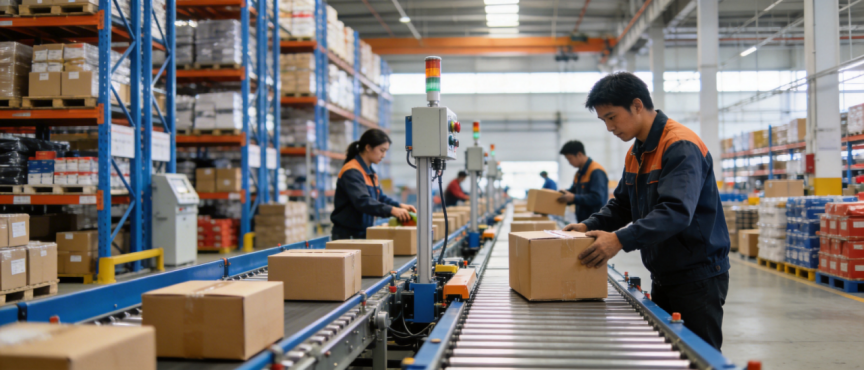
Figure 1: Modern E-commerce Fulfillment Warehouse
The global dropshipping market reached $344 billion in 2024, and is projected to expand at a 23.4% compound annual growth rate from 2025 to 2033. Alongside this market growth comes fiercer competition and higher consumer expectations: 73% of buyers identify delivery speed as the core factor driving repeat purchases, while 68% of sellers state that fulfillment efficiency directly impacts profit margins.
The biggest transformations in the cross-border e-commerce industry this year are the full mainstream adoption of the semi-fulfillment model, the launch of dedicated cross-border large-item logistics lines co-introduced by AliExpress and Cainiao, as well as AI technology restructuring core fulfillment processes including order processing and inventory management. For dropshipping sellers, mastering the latest fulfillment best practices is not only the key to capturing industry dividends, but also the core competitive advantage for navigating market competition.
1. Semi-Fulfillment Model Operations: 2025’s New Growth Engine for Sellers
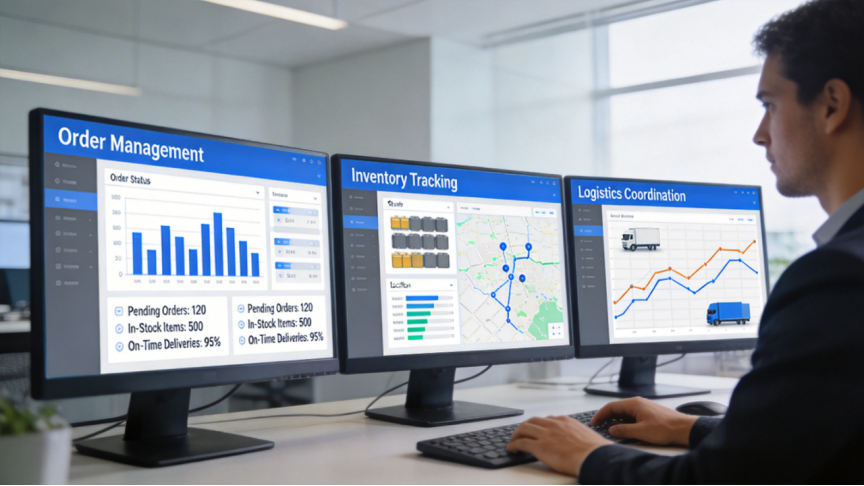
Figure 2: Digital Order Management Platform
Semi-fulfillment is a new model that cross-border platforms have collectively prioritized since 2024. After AliExpress fully opened semi-fulfillment applications in January, the first batch of participating sellers saw an average order growth of 35%. Temu also launched its semi-fulfillment service for the US market in March, open to sellers with existing overseas warehouse resources.
1.1 Core Advantages of Semi-Fulfillment Operations
Logistics costs reduced by over 30%: : Platforms procure logistics services centrally via economies of scale. AliExpress’s semi-fulfillment routes cover 24 countries for 2-5kg products, with shipping costs 20%-40% lower than sellers’ independent self-fulfillment.
- Logistics costs reduced by over 30%: Platforms procure logistics services centrally via economies of scale. AliExpress’s semi-fulfillment routes cover 24 countries for 2-5kg products, with shipping costs 20%-40% lower than sellers’ independent self-fulfillment.
Preferential traffic allocation: : Semi-fulfillment products qualify for the Choice label, with search weight increased by over 50%. AliExpress data shows that labeled products see an average conversion rate lift of 28%.
- Preferential traffic allocation: Semi-fulfillment products qualify for the Choice label, with search weight increased by over 50%. AliExpress data shows that labeled products see an average conversion rate lift of 28%.
Improved delivery reliability: : Platforms manage the full logistics chain uniformly, enabling 7-12 day delivery to core markets including the US and Spain, with delivery stability 40% higher than independent seller self-fulfillment.
- Improved delivery reliability: Platforms manage the full logistics chain uniformly, enabling 7-12 day delivery to core markets including the US and Spain, with delivery stability 40% higher than independent seller self-fulfillment.
1.2 Practical Semi-Fulfillment Operation Key Points
Timeline compliance requirements: : Follow JIT (Just-in-Time) shipping rules, where orders received before 14:00 local time must be successfully picked up by 24:00 the same day.
- Timeline compliance requirements: Follow JIT (Just-in-Time) shipping rules, where orders received before 14:00 local time must be successfully picked up by 24:00 the same day.
Inventory management optimization: : Stock inventory equivalent to 1.5 times the past 7 days of sales to avoid stockouts or overstock.
- Inventory management optimization: Stock inventory equivalent to 1.5 times the past 7 days of sales to avoid stockouts or overstock.
Multi-warehouse layout: : Operate both domestic and overseas warehouses simultaneously to balance cost and delivery speed.
- Multi-warehouse layout: Operate both domestic and overseas warehouses simultaneously to balance cost and delivery speed.
2. Large-Item Fulfillment: Capture the Next Explosive Category Dividend
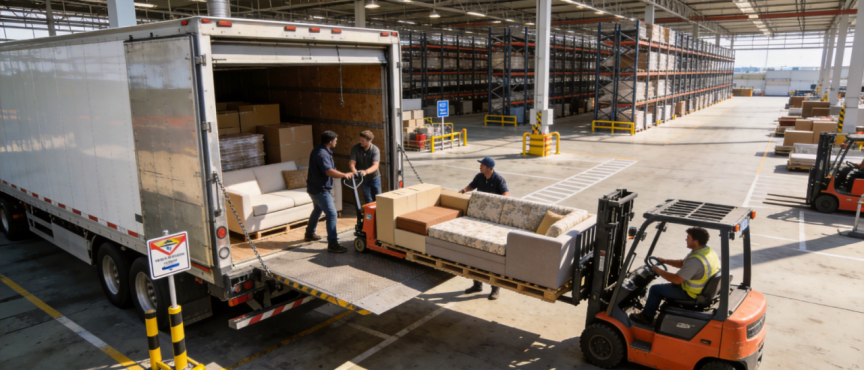
Figure 3: Large Item Logistics Operations
AliExpress fully prioritized the large-item product category in April 2024, partnering with Cainiao to launch an oversized goods logistics line capable of handling products up to 67kg. Average daily large-item cross-border parcel volume to the US market grew 10x year-on-year.
2.1 Large-Item Fulfillment Pain Points and Solutions
High logistics costs: : Cainiao’s large-item dedicated line cuts logistics costs by 40%-60% compared to sellers’ independent shipping.
- High logistics costs: Cainiao’s large-item dedicated line cuts logistics costs by 40%-60% compared to sellers’ independent shipping.
Slow delivery times: : 15-25 day delivery is now available for markets including the US, Spain, France, and South Korea.
- Slow delivery times: 15-25 day delivery is now available for markets including the US, Spain, France, and South Korea.
Complex after-sales processes: : Platforms provide door-to-door return pickup services, with standardized return and exchange workflows.
- Complex after-sales processes: Platforms provide door-to-door return pickup services, with standardized return and exchange workflows.
2.2 Large-Item Fulfillment Best Practices
Product selection strategy: : Prioritize products weighing 10-30kg with a volume of 0.1-0.5 cubic meters.
- Product selection strategy: Prioritize products weighing 10-30kg with a volume of 0.1-0.5 cubic meters.
Packaging optimization: : Use thickened cardboard boxes and cushioning materials, and pass 1.5-meter drop testing.
- Packaging optimization: Use thickened cardboard boxes and cushioning materials, and pass 1.5-meter drop testing.
Logistics selection: : Choose the optimal logistics channel based on product weight and destination.
- Logistics selection: Choose the optimal logistics channel based on product weight and destination.
3. AI Technology Empowerment: New Tools for Fulfillment Efficiency Improvement

Figure 4: AI-Powered Fulfillment Center
71% of cross-border sellers already use AI tools to improve operational efficiency, and AI technology is expanding from marketing use cases to end-to-end fulfillment processes.
3.1 Core AI Application Scenarios in Fulfillment Processes
Intelligent order processing: : Automatic order combination and splitting, abnormal order identification, and automatic routing allocation.
- Intelligent order processing: Automatic order combination and splitting, abnormal order identification, and automatic routing allocation.
Intelligent inventory forecasting: : Sales forecasting, safety stock calculation, and restock reminders.
- Intelligent inventory forecasting: Sales forecasting, safety stock calculation, and restock reminders.
Intelligent customer service and after-sales: : Automatic response, automated after-sales processing, and anomaly alerts.
- Intelligent customer service and after-sales: Automatic response, automated after-sales processing, and anomaly alerts.
3.2 Recommended Practical AI Tools
4. Full-Chain Fulfillment Process Optimization: Efficiency Improvements From Order Placement to Delivery
Through full-chain process optimization, order processing time can be cut by over 50%, picking and packing error rates can be reduced to below 0.1%, and customer complaint rates can be stabilized at below 0.1%.
4.1 Standardized Order Processing Workflows
Pre-validation: : Automatically verify shipping addresses, contact information, and inventory at the time of order placement.
- Pre-validation: Automatically verify shipping addresses, contact information, and inventory at the time of order placement.
Automated processing: : Use an OMS (Order Management System) to automatically remove duplicate orders, and combine or split orders as needed.
- Automated processing: Use an OMS (Order Management System) to automatically remove duplicate orders, and combine or split orders as needed.
Exception closure loop: : Establish an abnormal work order system, with 2-hour response and 24-hour resolution requirements for issues.
- Exception closure loop: Establish an abnormal work order system, with 2-hour response and 24-hour resolution requirements for issues.
4.2 Warehouse and Picking Efficiency Improvements
Wave picking: : Combine orders into picking waves based on delivery region, product category, and timeline requirements, improving picking efficiency by 40%.
- Wave picking: Combine orders into picking waves based on delivery region, product category, and timeline requirements, improving picking efficiency by 40%.
ABC classification management: : Place best-selling products in the most accessible warehouse locations.
- ABC classification management: Place best-selling products in the most accessible warehouse locations.
PDA scanning verification: : Use handheld terminals to scan product barcodes, reducing wrong shipment rates to 0.1%.
- PDA scanning verification: Use handheld terminals to scan product barcodes, reducing wrong shipment rates to 0.1%.
5. 2025 Fulfillment Risk Mitigation Guide
Platform policy risk: : Monitor platform rule changes in a timely manner, and maintain alternative sales channels.
- Platform policy risk: Monitor platform rule changes in a timely manner, and maintain alternative sales channels.
Supply chain risk: : Partner with at least 2-3 backup suppliers, and establish a supply chain emergency response mechanism.
- Supply chain risk: Partner with at least 2-3 backup suppliers, and establish a supply chain emergency response mechanism.
Logistics risk: : Track changes to destination country customs policies, and purchase logistics insurance.
- Logistics risk: Track changes to destination country customs policies, and purchase logistics insurance.
Conclusion
In 2025, the dropshipping industry is transitioning from “unregulated growth” to “refined operation”, and fulfillment capability has become a core competitive advantage for sellers. The mainstream adoption of the semi-fulfillment model, the explosion of the large-item category, and the application of AI technology provide new growth opportunities for sellers. It is recommended that sellers select a fulfillment model aligned with their business type, continuously optimize fulfillment processes, and build an irreplaceable fulfillment advantage.
**Internal Link Recommendations**:
- *Internal Link Recommendations**:
– Complete Guide to Semi-Fulfillment Onboarding: AliExpress and Temu Semi-Fulfillment Application Processes and Key Considerations
- Complete Guide to Semi-Fulfillment Onboarding: AliExpress and Temu Semi-Fulfillment Application Processes and Key Considerations
– Large-Item Dropshipping Product Selection Guide: 10 Most Promising Large-Item Categories for 2025
- Large-Item Dropshipping Product Selection Guide: 10 Most Promising Large-Item Categories for 2025
– Practical AI E-Commerce Tool Guide: 5 AI Tools to Boost Your Fulfillment Efficiency by 30%
- Practical AI E-Commerce Tool Guide: 5 AI Tools to Boost Your Fulfillment Efficiency by 30%
– Overseas Warehouse Stocking Strategy: How to Balance Inventory Costs and Delivery Speed
- Overseas Warehouse Stocking Strategy: How to Balance Inventory Costs and Delivery Speed
– 2025 Cross-Border Logistics Cost Comparison: Cost-Effectiveness Analysis of Platform Dedicated Lines, Commercial Express, and Postal Small Parcels2025 Cross-Border Logistics Cost Comparison: Cost-Effectiveness Analysis of Platform Dedicated Lines, Commercial Express, and Postal Small Parcels